

★★★★★ Rated 5/5 Based on 59+ Reviews
Naturopathic Cardiometabolic Health
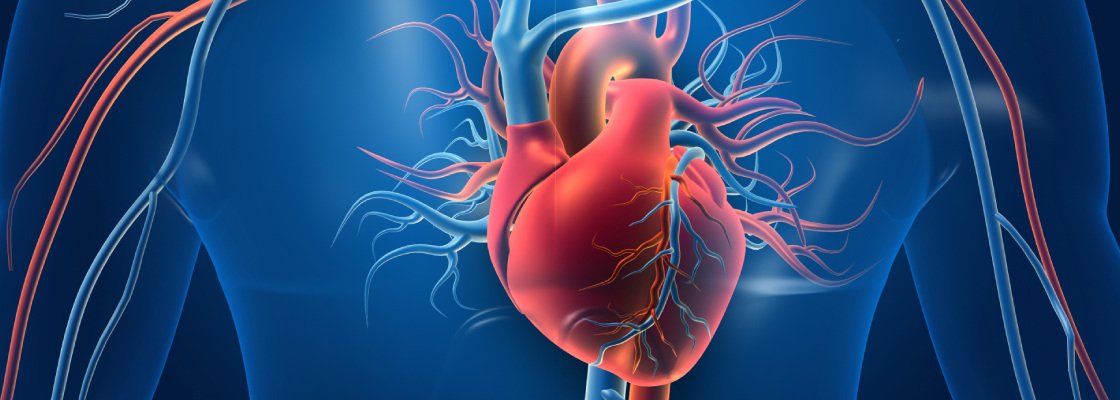
- Uncover the root drivers of cardiometabolic disease for better long-term health
- Go beyond symptom management to improve insulin sensitivity, reduce inflammation, and lower cardiovascular risk
- Build a more personalized path to healthy blood sugar, cholesterol, blood pressure, and heart health
Cardiometabolic disease is one of the most common health challenges facing adults today. High blood pressure, elevated cholesterol, insulin resistance, prediabetes, type 2 diabetes, excess weight, and cardiovascular disease often occur together – and frequently share many of the same underlying drivers.
Get Started on Your Health Transformation

🔒 Your information is secure and confidential

The Cardiometabolic Connection Between Your Metabolism and Cardiovascular Functions
Cardiometabolic health describes the relationship between metabolism and cardiovascular function.
The systems involved are closely connected. Insulin resistance, for example, can contribute to increased triglycerides, abdominal fat accumulation, fatty liver, elevated blood pressure, and eventually abnormal blood glucose.
Excess visceral fat can promote inflammatory signaling and further impair insulin sensitivity. Over time, these interconnected changes can increase the risk of cardiovascular disease.
Life’s Essential 8 framework from the American Heart Association highlights eight major components of cardiovascular health: diet, physical activity, nicotine exposure, sleep, weight, blood glucose, blood lipids, and blood pressure.
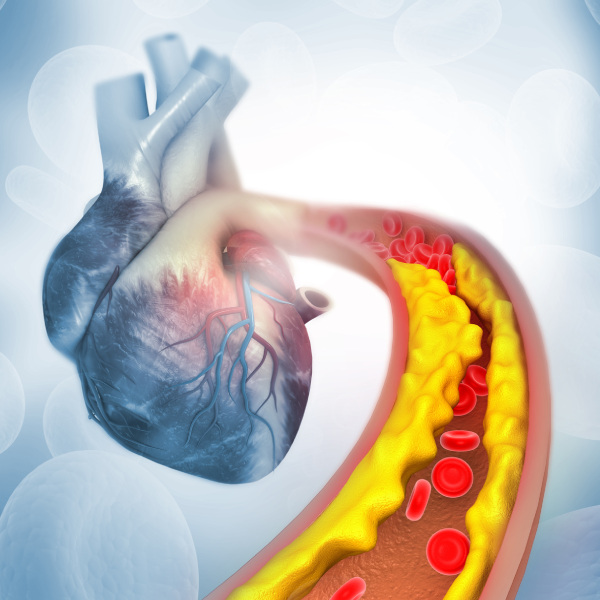
A functional medicine approach doesn't necessarily replace these fundamentals-it puts them into context. Instead of simply asking whether a patient's glucose or cholesterol is high, we can ask how the different pieces fit together.
Personalized Insights for Better Metabolic Health
One of the most important principles of functional medicine is that laboratory results should be interpreted in context.
A patient may have a “normal” fasting glucose while already developing insulin resistance.
Another person may have elevated triglycerides and increasing abdominal weight despite having an HbA1c that remains within the conventional reference range. Conversely, a laboratory abnormality may have multiple possible explanations and should never automatically be interpreted as evidence of a single root cause.
This is why a comprehensive cardiometabolic evaluation considers the entire clinical picture.
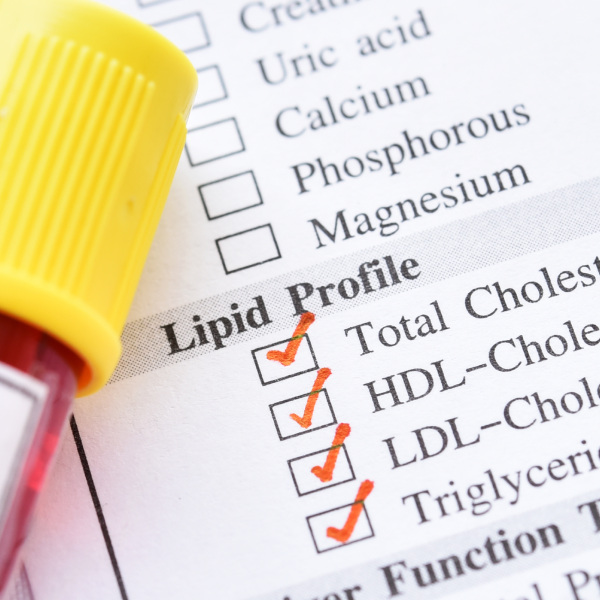

Depending on the individual, this may include:
- Fasting glucose and insulin
- Hemoglobin A1c
- Complete lipid profile
- Triglycerides and HDL
- LDL and non-HDL cholesterol
- Liver enzymes
- Kidney function
- High-sensitivity CRP
- Blood pressure
- Waist circumference and body composition
- Thyroid function
- Nutritional status
- Sleep quality
- Physical activity
- Family history
- Medication and supplement use
How Insulin Resistance Affects Overall Metabolic Wellness
Insulin resistance is one of the most important metabolic abnormalities to consider when evaluating cardiometabolic health. Insulin helps move glucose from the bloodstream into cells where it can be used for energy. When cells become less responsive to insulin, the pancreas may compensate by producing more insulin. During the early stages, blood glucose may remain relatively normal.
Over time insulin resistance can contribute to:
- Increased abdominal or visceral fat
- Elevated triglycerides
- Lower HDL cholesterol
- Fatty liver
- Elevated blood pressure
- Prediabetes
- Type 2 diabetes
This is why evaluating cardiometabolic health involves more than simply looking at blood glucose. Understanding the relationship between glucose, insulin, triglycerides, HDL, body composition, blood pressure, and liver health can provide a more complete picture of metabolic function. The earlier metabolic dysfunction is identified, the more opportunity there may be to intervene.

Nutrition and Lifestyle Strategies for Better Cardiometabolic Health
Once the major contributors have been identified, nutrition and lifestyle become some of the most powerful tools available.
This does not mean there is one perfect diet or exercise program for everyone.
A personalized approach considers the individual’s metabolic health, body composition, activity level, preferences, medical history, and goals.
For many patients, this means emphasizing minimally processed foods, adequate protein, fiber-rich foods, vegetables, healthy fats, and appropriately portioned sources of carbohydrates.
A Mediterranean-style eating pattern has particularly strong evidence for cardiovascular health.
It emphasizes vegetables, fruits, legumes, nuts, whole grains, olive oil, fish, and other minimally processed foods while limiting highly processed foods and excess saturated fat.
In the PREDIMED trial, a Mediterranean diet supplemented with extra-virgin olive oil or nuts reduced major cardiovascular events in adults at high cardiovascular risk.


Physical activity is equally important. Aerobic exercise supports cardiovascular fitness, while resistance training helps preserve and build lean muscle mass and can improve insulin sensitivity.
For many adults, guidelines recommend 150–300 minutes of moderate-intensity aerobic activity each week, combined with muscle-strengthening activity.
Sleep also deserves attention. Poor sleep can affect appetite regulation, glucose metabolism, blood pressure, and body weight.
The American Heart Association recommends approximately 7–9 hours of sleep for most adults.
The important distinction is that these aren’t simply generic lifestyle recommendations. They become therapeutic tools selected according to the patient’s individual metabolic picture.
Addressing Inflammation and Cardiovascular Risk
Metabolic health and inflammation are closely connected.
Excess visceral adiposity, insulin resistance, and other metabolic abnormalities can contribute to chronic low-grade inflammatory signaling. At the same time, inflammation plays an important role in the development and progression of atherosclerotic cardiovascular disease.
High-sensitivity C-reactive protein (hs-CRP) can sometimes provide additional information about inflammatory status and cardiovascular risk when interpreted alongside other clinical factors.
Vascular health is another important consideration. The endothelium-the layer of cells lining our blood vessels-plays a critical role in regulating blood flow, vascular tone, clotting, and inflammatory processes. Over time, factors such as hypertension, dyslipidemia, smoking, insulin resistance, and metabolic dysfunction can contribute to vascular injury and atherosclerosis.
This reinforces an important principle: Cardiovascular prevention isn’t about one number. It’s about improving the overall environment in which the cardiovascular system operates.
The Role of GLP-1 Medications
For some patients, lifestyle interventions alone may not be enough to achieve meaningful weight loss or improve metabolic health.
In these situations, GLP-1 receptor agonist medications may be an appropriate component of treatment.
GLP-1–based therapies can reduce appetite, improve blood glucose regulation, and promote clinically meaningful weight loss. Certain medications in this class have also demonstrated cardiovascular benefits in specific populations.
From an integrative perspective, the medication is one tool-not the entire treatment plan.
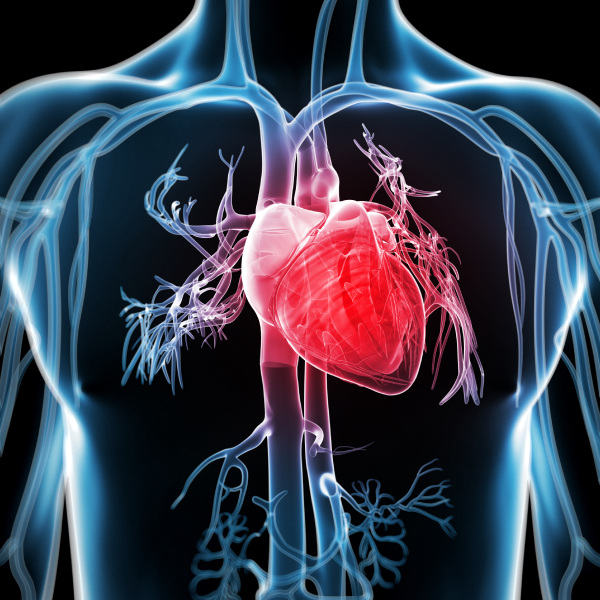

When someone is using a GLP-1 medication, additional attention may be given to:
- Adequate protein intake
- Preservation of lean muscle mass
- Resistance training
- Nutritional adequacy during weight loss
- Digestive health and bowel regularity
- Hydration
- Micronutrient status
- Metabolic monitoring
- Long-term lifestyle habits
This is particularly important because successful weight management involves more than reducing body weight. The goal is to improve body composition, metabolic health, cardiovascular risk, and long-term sustainability.
Take the next step toward better cardiometabolic health with a comprehensive evaluation tailored to your unique needs.
How Supplements Can Support Heart and Metabolic Health
Supplements can have a role in a personalized cardiometabolic plan, but they should complement-not replace-the fundamentals.
A thoughtful approach begins by determining whether there is a specific nutritional deficiency, increased need, medication-related issue, or evidence-based indication for supplementation.
This might include correcting deficiencies or using targeted nutritional support when clinically appropriate.
However, supplements should not be promoted as substitutes for evidence-based cardiovascular treatment.
The strongest foundation remains appropriate medical care combined with nutrition, physical activity, sleep, weight management, and management of established cardiovascular risk factors.
A Personalized Approach to Cardiometabolic Health
There is no universal cardiometabolic protocol. Two patients can have the same LDL cholesterol but completely different metabolic profiles and underlying contributors.
One may have significant insulin resistance and visceral adiposity. Another may have a strong family history of cardiovascular disease. Another may have hypertension, poor sleep, and chronic stress. Their treatment plans should reflect those differences. This is the advantage of taking a comprehensive approach. Rather than treating every abnormal result independently, we look for patterns and relationships between the different systems.
The goal is to understand what is happening, identify what can be changed, and then monitor whether those interventions are producing meaningful improvements.
Better Metabolic Health, Not Just Better Lab Results
A cardiometabolic health plan should ultimately be about more than improving a laboratory report. The goal is to help the body function better while reducing the factors that contribute to cardiovascular and metabolic disease.
This may involve a combination of targeted testing, personalized nutrition, exercise, sleep optimization, stress management, nutritional support, weight-management strategies, GLP-1 therapy when appropriate, and collaboration with a patient’s other healthcare providers.
Naturopathic and functional medicine can provide a framework for bringing these pieces together.
At Oasis Health and Medicine, we believe the best cardiometabolic care combines evidence-based medicine with individualized care-looking not only at what is abnormal, but also at why it may be happening and what can be done to improve the trajectory.

Cardiometabolic Health
FAQ
What is a naturopathic functional medicine approach to cardiometabolic health?
It is an integrative approach that evaluates the interconnected factors influencing metabolic and cardiovascular health. Rather than focusing exclusively on individual lab values, it considers insulin resistance, body composition, inflammation, nutrition, sleep, physical activity, stress, family history, and other individualized factors.
What are the root causes of cardiometabolic disease?
There is no single root cause. Cardiometabolic disease typically develops through a combination of genetic, metabolic, behavioral, environmental, and lifestyle factors. Insulin resistance, visceral adiposity, poor diet, physical inactivity, sleep disruption, chronic stress, inflammation, and other factors can contribute.
Can you have insulin resistance with normal blood sugar?
There is no single root cause. Cardiometabolic disease typically develops through a combination of genetic, metabolic, behavioral, environmental, and lifestyle factors. Insulin resistance, visceral adiposity, poor diet, physical inactivity, sleep disruption, chronic stress, inflammation, and oYes. During the early stages of insulin resistance, the body may compensate by producing more insulin, allowing blood glucose to remain within the normal range. This is one reason looking at the broader metabolic picture can be useful.her factors can contribute.
Can GLP-1 medications be part of functional medicine?
Yes. GLP-1 medications may be incorporated into an individualized treatment plan when clinically appropriate. Functional medicine can complement GLP-1 therapy by emphasizing adequate nutrition, muscle preservation, resistance training, digestive health, nutrient status, and long-term metabolic health.
How can I assess my cardiometabolic health?
A comprehensive assessment may include blood pressure, body composition, glucose and insulin markers, HbA1c, lipid markers, liver and kidney function, inflammatory markers, family history, lifestyle factors, and other targeted testing based on individual risk.
Take the Next Step Toward Better Cardiometabolic Health
Cardiometabolic disease is complex, but your risk is not necessarily fixed.
Understanding the factors contributing to metabolic dysfunction can create opportunities to intervene earlier and more effectively.
At Oasis Health and Medicine, we take a comprehensive approach to cardiometabolic health-combining evidence-based medicine with personalized assessment, targeted laboratory testing, nutrition, lifestyle medicine, and appropriate integrative therapies.
If you’re concerned about insulin resistance, cholesterol, blood pressure, weight, inflammation, or your long-term cardiovascular health, schedule a discovery call with Oasis Health and Medicine to learn how a personalized cardiometabolic health plan may help you move forward.
References
- Lloyd-Jones DM, et al. Life’s Essential 8: Updating and Enhancing the American Heart Association’s Cardiovascular Health Construct. Circulation. 2022.
- Estruch R, et al. Primary Prevention of Cardiovascular Disease with a Mediterranean Diet Supplemented with Extra-Virgin Olive Oil or Nuts. N Engl J Med. 2018;378:e34. DOI: 10.1056/NEJMoa1800389.
- Reynolds A, et al. Carbohydrate quality and human health: a series of systematic reviews and meta-analyses. Lancet. 2019;393:434–445.
- Virani SS, et al. 2023 AHA/ACC Guideline for the Management of Patients With Chronic Coronary Disease. Circulation. 2023.
- American Heart Association. Life’s Essential 8: Sleep and Cardiovascular Health.
- American Diabetes Association. Standards of Care in Diabetes-2026. Diabetes Care. 2026.